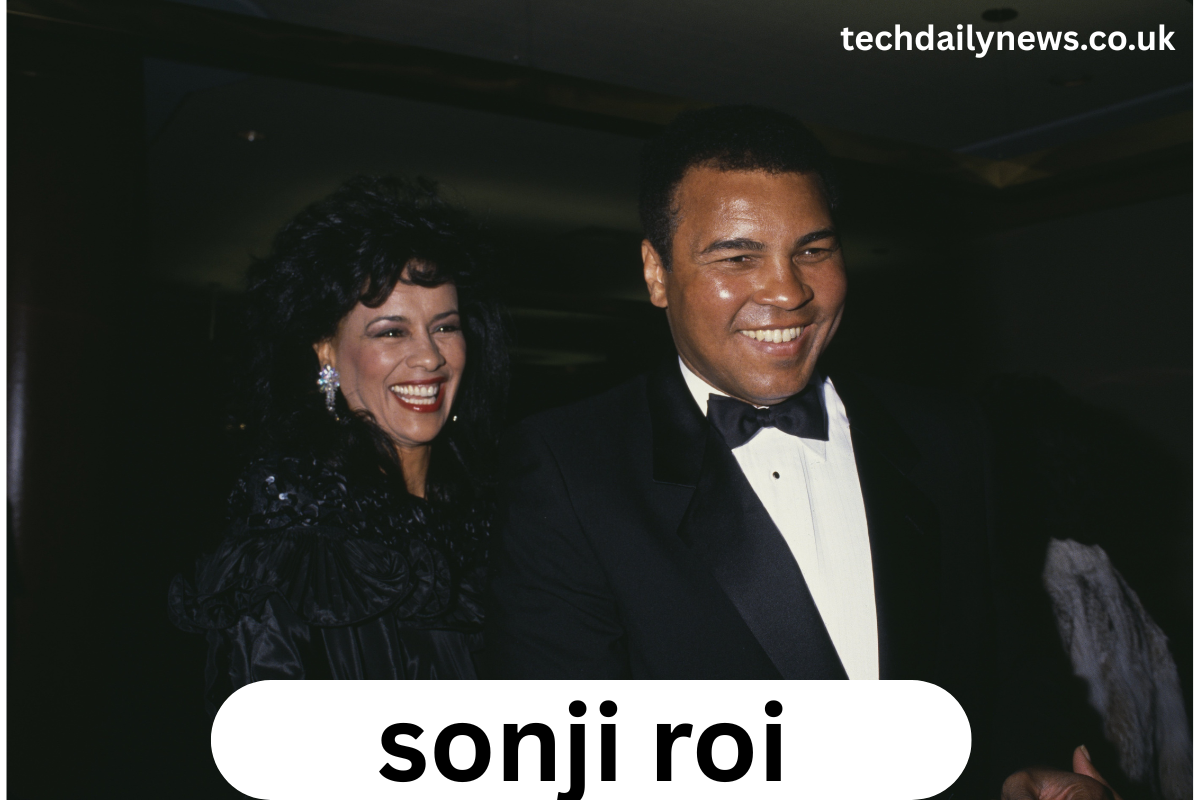
Sonji Roi was an American singer and public figure best known as the first wife of legendary heavyweight boxing champion Muhammad Ali. Although her marriage to Ali brought her into the spotlight, her life story extends beyond that brief union. Born on November 23, 1945, in the United States, Sonji Roi grew up during a transformative era in American history marked by civil rights movements, evolving gender roles, and significant cultural change. Her life intersected with one of the most iconic sports figures of the twentieth century, yet she maintained her own identity shaped by ambition, independence, and resilience.
Understanding Sonji Roi requires looking at both her personal journey and the broader social climate of the 1960s. During this period, African American communities were navigating systemic discrimination while also achieving significant milestones in politics, sports, music, and entertainment. As a young Black woman pursuing opportunities in nightlife and music, Roi’s experiences reflected both the possibilities and limitations of her time. Her story is not just about celebrity association but about individuality within the shadow of global fame.
Early Life, Family Background, and Personal Foundations
Sonji Roi was born and raised in the United States, though detailed public records about her early family life remain limited. Like many public figures connected to celebrities, much of what is known about her comes from biographical accounts related to Muhammad Ali. However, available information suggests that she grew up with a strong sense of independence and confidence that later defined many of her personal decisions. Her early environment helped shape her outgoing personality and desire to pursue a career in entertainment.
Before gaining national attention, Roi worked as a cocktail waitress in nightclubs. This role placed her in dynamic social environments where musicians, athletes, and entertainers frequently gathered. The nightlife scene of the early 1960s was culturally significant, serving as a hub for jazz, rhythm and blues, and social networking among influential figures. It was within this lively atmosphere that she eventually met Cassius Clay, who would soon become Muhammad Ali. Her early work experience not only exposed her to prominent personalities but also strengthened her adaptability and social skills, qualities that would later help her navigate sudden public attention.
Meeting Muhammad Ali and a Whirlwind Romance
Sonji Roi met Cassius Clay in 1964, shortly after he won the heavyweight championship title. Clay was rapidly becoming a global sports icon, celebrated for his boxing talent, charisma, and outspoken personality. Their meeting reportedly sparked immediate attraction, and Ali proposed to Roi on their very first date. The intensity and speed of their relationship captured public interest, especially because Ali was already a widely discussed athlete known for his bold confidence.
The couple married on August 14, 1964. Their wedding took place during a critical period in Ali’s life, as he had recently announced his conversion to Islam and his association with the Nation of Islam. This religious transformation influenced many aspects of his lifestyle and personal expectations. For Sonji Roi, the marriage meant adjusting not only to public scrutiny but also to new cultural and religious dynamics. The union quickly became a topic of media attention, blending celebrity romance with broader discussions about faith, identity, and social change.
Marriage Challenges and Cultural Differences
Although their relationship began passionately, Sonji Roi’s marriage to Muhammad Ali lasted only about seventeen months. By January 1966, the couple had divorced. Historical accounts often point to cultural and religious differences as key factors behind their separation. After converting to Islam, Ali embraced stricter religious practices and expectations that sometimes conflicted with Roi’s independent personality and lifestyle choices.
Reports suggest that Ali wanted his wife to adhere to specific dress codes and behavioral standards aligned with his religious beliefs. Sonji Roi, however, was known for her modern outlook and resistance to sudden lifestyle restrictions. The tension between personal autonomy and marital expectations created strain in their relationship. Their divorce was finalized relatively quickly, marking the end of a highly publicized but brief chapter in both of their lives. This period highlights the complexities of navigating faith, fame, and individuality within marriage.
Career Aspirations and Musical Pursuits
After her divorce from Muhammad Ali, Sonji Roi attempted to build a career in music. She recorded a small number of songs that reflected her interest in singing and performance. Though her musical career did not achieve mainstream commercial success, it demonstrated her desire to establish an identity independent of her former husband’s fame. Titles such as “Here I Am and Here I Stay” and “I Can’t Wait (Until I See My Baby’s Face)” are often referenced in discussions of her artistic efforts.
Her involvement in entertainment extended beyond music recordings. Roi appeared on popular television programs of the 1960s, including talk shows where public figures discussed their lives and experiences. These appearances contributed to her public image during that era. While she never became a major recording artist, her participation in media and performance reflected ambition and determination. Her efforts show that she did not rely solely on her connection to Ali but sought her own creative path.
Life After Public Spotlight and Second Marriage
Following the end of her first marriage, Sonji Roi gradually stepped away from the intense public attention that had surrounded her relationship with Ali. She eventually moved to Chicago, where she sought a quieter and more private life. In later years, she married attorney Reynaldo Glover. This marriage resulted in the birth of a son, Brian Reynaldo Jr., marking a new chapter centered on family rather than fame.
However, her second marriage also ended in divorce. Despite these personal challenges, Roi focused on raising her children and maintaining stability. Her decision to withdraw from the public eye reflected a conscious effort to regain personal control and avoid the pressures associated with celebrity culture. Unlike many individuals connected to famous personalities, she chose privacy over continued media exposure, demonstrating strength and independence.
Social and Cultural Significance of Her Story
Sonji Roi’s life cannot be separated from the broader cultural landscape of the 1960s. This was a decade defined by civil rights activism, the rise of Black empowerment movements, and dramatic shifts in gender expectations. As the wife of a high-profile Black athlete who had publicly aligned himself with the Nation of Islam, Roi’s experiences were intertwined with important historical conversations about race, religion, and public identity.
Her story highlights the pressures faced by women connected to powerful public figures. While Muhammad Ali’s legacy as a boxer and activist is widely celebrated, the experiences of those around him often receive less attention. Roi’s narrative provides insight into how rapid fame can affect personal relationships. It also reflects the limited opportunities available to women in entertainment during that era, especially Black women seeking independent careers. Understanding her life adds depth to the broader history of celebrity culture and social transformation.
Personal Struggles and Resilience
Like many individuals who experience sudden fame, Sonji Roi faced emotional and practical challenges after her divorce. The transition from being married to one of the world’s most famous athletes to living a more private life could not have been simple. Public scrutiny, media speculation, and shifting relationships likely contributed to stress during that period.
Despite these obstacles, Roi demonstrated resilience by rebuilding her life. She pursued personal interests, focused on family responsibilities, and avoided prolonged public controversy. Her ability to step back from the spotlight and live on her own terms reflects a form of quiet strength. Although she did not continuously seek public recognition, her story continues to resonate because it illustrates human complexity beyond headlines.
Death and Lasting Legacy
Sonji Roi passed away on October 11, 2005, in Chicago, Illinois, at the age of 59. While detailed public documentation about the cause of her death remains limited, some reports suggest she may have suffered a heart attack. Her passing marked the end of a life that had intersected with major historical and cultural events.
Today, Sonji Roi is remembered primarily in connection with Muhammad Ali’s early life and first marriage. However, her story carries its own significance. She represents a woman who experienced love, fame, conflict, ambition, and reinvention. Her life reminds readers that individuals associated with iconic figures possess their own journeys, challenges, and aspirations.
Sonji Roi’s narrative continues to attract interest from biographers, historians, and fans of Muhammad Ali. Yet beyond her association with a global boxing legend, she stands as a symbol of independence during a transformative period in American history. By examining her life in full context, we gain a more balanced understanding of both personal identity and the human dimensions behind celebrity headlines.
Read More:Who Is Eduardo Hagn? A Detailed Introduction to the Rising Football Analyst
Conclusion:
Sonji Roi’s life was shaped by ambition, independence, and resilience during a transformative era in American history. While she is most widely recognized as Muhammad Ali’s first wife, her story goes far beyond that brief marriage. From her early days working in nightlife to her attempts at building a music career and later choosing a private life focused on family, Roi demonstrated strength in navigating fame and personal challenges. Her journey reflects the complexities of identity, culture, and celebrity in the 1960s and beyond. Remembering Sonji Roi in full context allows us to appreciate not only her connection to a global icon but also her own experiences, choices, and legacy.