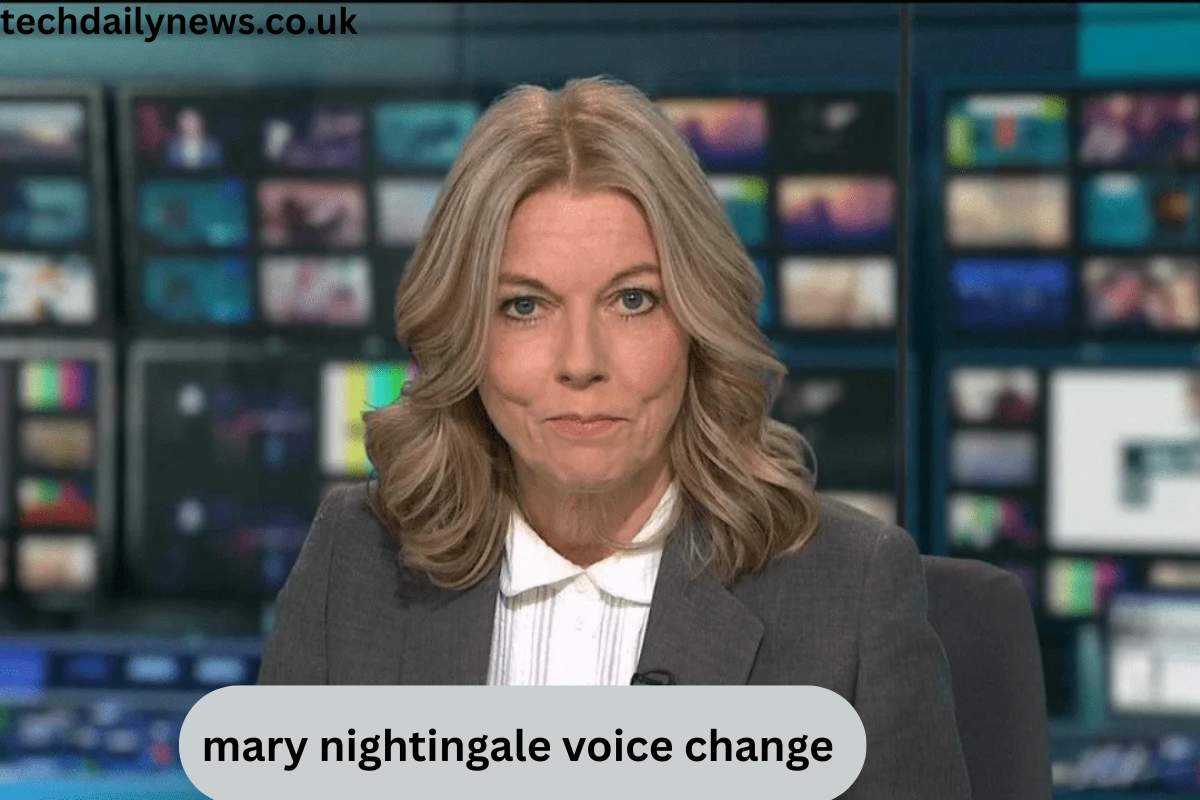
The topic of Mary Nightingale voice change has become a widely searched query among viewers of British television news. For decades, the voice of Mary Nightingale has been familiar to millions of viewers across the United Kingdom. As a respected presenter on ITV Evening News, her calm and professional tone has been one of the defining characteristics of her broadcasting career.
Because television presenters rely heavily on their voice to communicate information clearly and confidently, any noticeable change often attracts public attention. Over the past several years, some viewers have commented that Nightingale’s voice sounds slightly different compared with earlier years of her career. These observations have led to discussions about whether the difference is related to health, aging, vocal strain, or simply natural changes over time.
Understanding this topic requires examining several factors, including the physical nature of the human voice, the demands of long-term broadcasting careers, and the realities of live television production. When these aspects are considered together, the discussion around Mary Nightingale’s voice becomes clearer and less mysterious.
Who Is Mary Nightingale?
Mary Nightingale is a prominent British journalist and television presenter who has built a long and respected career in broadcasting. She became widely known for presenting national news on ITV News, where she has anchored several of the network’s flagship news programs.
Before becoming a leading news anchor, Nightingale developed her skills through various roles in television journalism. Early in her career, she worked on reporting assignments and contributed to a range of television programs. These experiences allowed her to gain confidence in front of the camera while developing the clear speaking style that later defined her broadcasting presence.
Her role on ITV Evening News made her one of the most recognizable faces and voices in British journalism. Over the years she has covered major national and international events, including elections, political developments, humanitarian crises, and global breaking news stories. The trust viewers place in her delivery has been a key factor in her enduring popularity.
Why Viewers Started Noticing a Voice Change
Long-time viewers of television news often become familiar with the subtle details of a presenter’s voice. Over years or decades of watching the same program, audiences develop a strong memory of how that voice sounds. When any change occurs, even a minor one, it can become noticeable.
In the case of Mary Nightingale, some viewers have observed that her voice occasionally sounds deeper or slightly huskier than it did earlier in her career. Others have mentioned moments where the tone seemed more breathy or softer during certain broadcasts. These observations have been shared in online forums, social media discussions, and blog posts about television presenters.
However, such changes are common among professionals who use their voices daily. Broadcasters speak for extended periods during live news programs, often under pressure and in demanding environments. Because the voice is a living instrument, it naturally evolves with time, use, and personal circumstances.
The Demands of a Long Broadcasting Career
Presenting national news is a demanding profession that requires both mental focus and vocal endurance. News anchors must speak clearly and continuously during broadcasts that may last anywhere from thirty minutes to over an hour. They must also respond quickly to breaking news and unexpected developments while maintaining a steady tone.
Over decades of broadcasting, this constant use of the voice can lead to natural changes in vocal quality. Professional voice users, including journalists, actors, and singers, often experience similar shifts as their careers progress. Even slight fatigue can cause temporary hoarseness or a deeper tone during a broadcast.
Mary Nightingale has spent many years delivering news on television, making her voice one of the most frequently heard in British media. With such extensive use, it is entirely normal for small variations in tone or clarity to appear over time. These variations are often temporary and can be influenced by daily conditions such as fatigue or hydration.
Stress and Vocal Strain in News Presentation
Stress is another factor that can affect a broadcaster’s voice. Television journalism involves high-pressure situations, particularly when reporting on major global events or crises. News presenters must remain calm and professional while delivering complex information quickly and accurately.
In some cases, prolonged stress can lead to vocal strain. This condition occurs when the muscles involved in speech become tense or overworked, which can affect the tone and clarity of the voice. For professional speakers, even mild vocal strain may be noticeable to attentive audiences.
Mary Nightingale has reportedly experienced periods of vocal strain during her career. Such issues are not unusual for broadcasters and are often manageable with proper care. Techniques such as vocal therapy, breathing exercises, and adequate rest can help restore vocal strength and maintain healthy speaking habits.
Natural Aging and Changes in the Human Voice
One of the most important factors behind perceived changes in a presenter’s voice is the natural aging process. As people grow older, the structure and function of the vocal cords gradually change. These changes can affect pitch, resonance, and vocal strength.
The vocal cords may lose some elasticity over time, which can lead to a slightly deeper or softer sound. Hormonal changes can also influence vocal characteristics, particularly in women. These physiological changes are completely normal and occur gradually throughout adulthood.
For someone like Mary Nightingale, who has been a familiar presence on television for decades, viewers may simply be noticing the natural evolution of her voice. Because audiences have heard her speak for so many years, they are more likely to detect subtle differences that might otherwise go unnoticed.
The Role of Studio Technology and Audio Equipment
Another element that can influence how a voice sounds on television is the technology used during production. Modern broadcasting relies on advanced microphones, digital audio processing systems, and complex studio setups. These technologies can subtly affect the tone and clarity of a presenter’s voice.
Microphone placement, sound mixing, and broadcast compression all contribute to how audio is delivered to viewers at home. Even small adjustments to equipment settings can create noticeable differences in vocal tone. In some cases, these changes may lead viewers to believe a presenter’s voice has altered.
Studio environments also play a role in vocal comfort. Television studios are often air-conditioned, which can create dry conditions that affect the throat. Speaking for long periods in such environments may temporarily change the way a presenter’s voice sounds during a broadcast.
Public Speculation and Online Discussions
In the age of social media, any perceived change in a public figure can quickly become the subject of online discussion. The topic of Mary Nightingale’s voice has appeared in blogs, forums, and social media conversations where viewers speculate about possible causes.
Some of these discussions have included rumors about potential health problems. However, there has been no credible confirmation from official sources suggesting that Nightingale suffers from a serious illness affecting her voice. As a result, many of these claims remain unverified speculation rather than established facts.
Despite occasional rumors, Nightingale has continued to appear regularly on national television. Her ongoing work with ITV News indicates that she remains active and capable in her role as a news presenter.
The Deepfake Incident and Voice Recognition
In recent years, Mary Nightingale’s voice became part of a broader conversation about digital media and misinformation. A manipulated video using artificial intelligence technology circulated online, falsely showing her promoting an investment opportunity.
This incident highlighted the growing problem of deepfake technology, which can replicate the appearance and voice of well-known public figures. Nightingale publicly condemned the video, describing it as a misuse of her identity and a serious ethical issue.
The situation demonstrated how recognizable her voice has become to audiences. Because viewers trust her delivery as a news presenter, the misuse of her voice in a fake video raised concerns about misinformation and digital manipulation in modern media.
Mary Nightingale’s Continuing Career in Journalism
Despite discussions about her voice, Mary Nightingale continues to be one of the most respected figures in British television journalism. Her long career reflects decades of experience reporting on major world events and delivering news with professionalism.
Her presence on ITV Evening News remains an important part of the network’s programming. Viewers continue to rely on her clear communication style and balanced presentation of complex news stories.
Over time, audiences often develop a strong connection with broadcasters they watch regularly. For many viewers, Mary Nightingale’s voice is associated with reliability, calmness, and authority. These qualities remain unchanged even if the tone of the voice itself evolves slightly.
Read More:Matthew Laza Partner: Personal Life, Career, and Public Interest
Conclusion
The discussion surrounding Mary Nightingale voice change illustrates how closely audiences pay attention to the voices of trusted news presenters. Because Mary Nightingale has spent decades delivering news to millions of viewers, even subtle differences in her vocal tone can attract curiosity and speculation.
In reality, several natural factors can explain these changes. Long-term vocal use, stress from broadcasting, studio conditions, and the normal aging process all influence how a voice sounds over time. For professional speakers, such variations are a normal part of a long career.
What remains consistent is Mary Nightingale’s dedication to journalism and her role as a respected presenter on ITV News. Her voice continues to inform and guide audiences through the day’s most important stories, maintaining the professionalism and credibility that have defined her career.