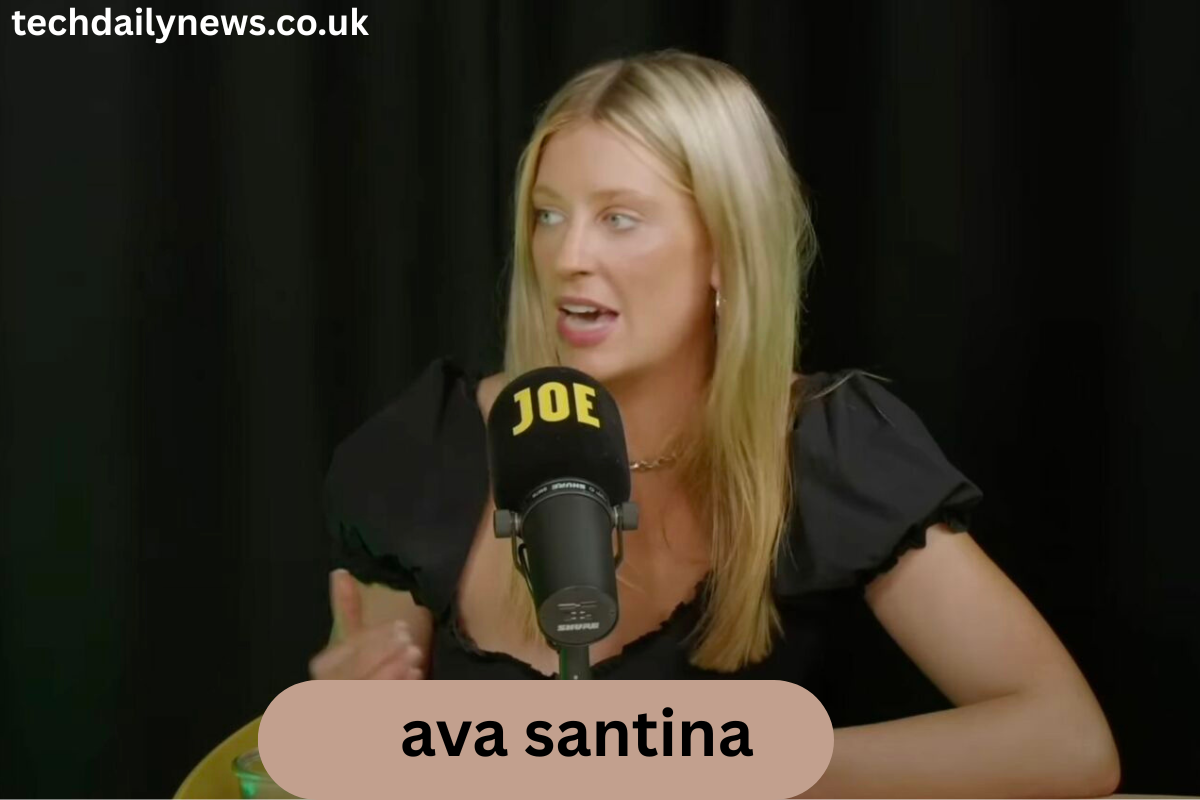
Ava‑Santina Evans, widely known as Ava Santina, is a British political journalist and media commentator who has gained recognition for her clear, engaging approach to explaining political issues. Born on 21 February 1993 in London, England, she grew up in a city that has long been a center of politics, journalism, and international influence. Living in the capital exposed her to major political debates, public protests, and ongoing discussions about national policy from an early age. These experiences helped shape her curiosity about government, public policy, and the role of media in informing citizens.
London’s dynamic political environment influenced many of Santina’s early interests. As she grew older, she began paying closer attention to the ways journalists reported on elections, government decisions, and social issues. This early fascination with political reporting played a major role in her decision to pursue a career in journalism. Her interest was not only in the headlines themselves but also in the processes behind them—how stories are researched, verified, and presented to the public.
Another important factor in her early development was her interest in communication and storytelling. Even before entering the professional media industry, Santina demonstrated strong writing and analytical abilities. These skills later became essential tools in her career, allowing her to explain complex political issues in ways that audiences can easily understand.
Education and Academic Development
Ava Santina’s academic journey helped build the intellectual foundation for her future work in journalism. She studied English Literature at the University of Sussex, one of the United Kingdom’s well-known institutions for humanities and social sciences. During her time at university, she developed strong research, writing, and critical thinking skills, which are all essential for investigative reporting and political analysis.
Studying literature also helped Santina understand how language shapes public perception. Literature programs often involve analyzing narratives, rhetoric, and communication strategies, which are also important in journalism. This academic training helped her develop the ability to examine political statements, media narratives, and public discourse with a critical eye.
Beyond classroom learning, her university years likely provided opportunities to explore journalism through student publications, media internships, or editorial work. Many journalists gain their first practical experience during university, and these early opportunities often play a key role in shaping their professional ambitions.
Early Career in Radio Production
Before becoming widely known as a political correspondent, Ava Santina built her career behind the scenes in radio broadcasting. She began working in production roles that involved organizing broadcasts, coordinating interviews, and preparing editorial content. This stage of her career allowed her to understand the structure of news programming and the responsibilities involved in delivering accurate information to audiences.
One of her most important early professional roles was at LBC, a major British talk radio station known for its political discussions and current affairs programming. At LBC, Santina worked as a producer and later became the lead producer for the show hosted by James O’Brien. The program is widely recognized for its lively debates and listener engagement on political issues.
Working with a high-profile radio show gave Santina extensive experience in the fast-paced world of political media. Radio production requires quick decision-making, strong editorial judgment, and a deep understanding of the day’s news agenda. Through this role, she learned how to shape discussions about politics, guide interviews, and manage complex live broadcasts.
Transition to Political Correspondent
After gaining valuable experience in broadcasting, Ava Santina transitioned into a more public-facing journalism role. In October 2021, she joined PoliticsJOE as a political correspondent. This move marked a significant turning point in her career because it allowed her to appear on camera and report directly on political events.
PoliticsJOE is a digital media outlet that focuses on delivering political news to younger audiences through online platforms and social media. The organization emphasizes short video explainers, interviews, and accessible commentary. Santina quickly became a recognizable face of the platform due to her clear explanations and confident on-screen presence.
As a political correspondent, she covers major developments in British politics, including parliamentary debates, policy announcements, and election campaigns. Her reporting often focuses on explaining the implications of political decisions rather than simply repeating headlines. This approach helps audiences better understand how government actions affect their everyday lives.
Role in Modern Digital Journalism
The rise of digital media has transformed the way news is produced and consumed, and Ava Santina’s career reflects this transformation. Traditional journalism once relied primarily on newspapers and television broadcasts, but modern reporters must now communicate through multiple platforms, including social media, online video, and digital publications.
At PoliticsJOE, Santina plays a key role in creating content designed specifically for digital audiences. Her work often includes short political analysis videos, interviews with politicians, and on-the-ground reporting from Westminster. These formats allow viewers to quickly understand complex political developments without needing extensive background knowledge.
Digital journalism also encourages direct interaction between reporters and audiences. Santina frequently shares commentary and insights online, engaging with viewers who want to understand political events in real time. This interactive approach helps create a stronger connection between journalists and the public.
Television and Media Appearances
In addition to her work with PoliticsJOE, Ava Santina regularly appears on major British television and radio programs to discuss current political issues. She has contributed commentary on networks such as BBC, Sky News, ITV, and TalkTV. These appearances have expanded her influence and introduced her reporting to a broader national audience.
Television commentary requires journalists to present information clearly and respond quickly to questions from hosts and fellow panelists. Santina’s experience in radio broadcasting helped prepare her for these discussions, as she had already developed strong communication and debate skills.
By participating in televised debates and news discussions, she contributes to the wider public conversation about politics in the United Kingdom. Her presence across multiple media platforms demonstrates how modern journalists must be adaptable and capable of working in different formats.
Journalism Style and Reporting Approach
Ava Santina’s journalism style is often described as clear, accessible, and focused on real-world impact. Rather than relying heavily on technical political terminology, she tends to explain policies and debates in language that ordinary viewers can easily understand. This approach helps make political journalism more inclusive and accessible.
One of the key characteristics of her reporting is the emphasis on connecting political decisions with everyday life. Government policies can sometimes seem distant from daily experiences, but Santina often highlights how those policies affect workers, communities, and social services. By focusing on these practical effects, she helps audiences see why political decisions matter.
Her reporting also reflects the fast-paced nature of digital media. Modern journalists must respond quickly to breaking news, produce short and engaging content, and maintain credibility while working under tight deadlines. Santina’s ability to balance speed with accuracy has helped her gain recognition in the field.
Public Attention and Media Controversies
Like many journalists who work in the political arena, Ava Santina has occasionally found herself at the center of public debate. One widely discussed incident involved comments made about her during a television discussion by Laurence Fox. The remarks sparked widespread criticism and renewed discussions about the treatment of women in political media.
The incident quickly became a national conversation about misogyny and professional respect in broadcasting. Many journalists, politicians, and viewers publicly supported Santina, emphasizing the importance of maintaining respectful discourse in media environments. The controversy also highlighted broader concerns about gender equality within political commentary.
Despite the attention surrounding the incident, Santina continued her work as a political journalist with professionalism. Her response demonstrated resilience and reinforced the importance of maintaining focus on journalistic responsibilities even during moments of public scrutiny.
Social Media Presence and Audience Engagement
Social media platforms have become essential tools for modern journalists, and Ava Santina uses them to connect with audiences and share insights about political developments. Through platforms like X (formerly Twitter) and Instagram, she provides commentary, behind-the-scenes perspectives, and updates on current events.
These platforms allow journalists to communicate directly with viewers rather than relying solely on traditional media channels. Santina’s social media presence helps audiences better understand the process of political reporting and encourages conversations about public policy and government decisions.
Digital engagement also allows journalists to reach younger audiences who may not regularly watch television news. By sharing short videos, commentary, and quick explanations online, Santina helps bring political discussions to platforms where many people now consume information.
Influence on Modern Political Journalism
Ava Santina represents a new generation of journalists who combine traditional reporting values with modern digital storytelling techniques. Her career demonstrates how political journalism is evolving in response to changing media habits and audience expectations.
By focusing on accessibility and clarity, Santina helps make political information more understandable to a wider audience. This approach is particularly important at a time when misinformation and political polarization can make it difficult for people to trust news sources.
As digital media continues to shape the future of journalism, reporters like Ava Santina show how journalists can maintain credibility while adapting to new formats and technologies. Through her work in broadcasting, digital reporting, and public commentary, she has established herself as a significant voice in contemporary British political journalism.
Read More:Mary Nightingale Voice Change: What Viewers Noticed and the Real Reasons
Conclusion
Ava-Santina Evans, professionally known as Ava Santina, has established herself as a recognizable voice in modern British political journalism. From her early career in radio production at LBC to becoming a political correspondent at PoliticsJOE, she has steadily built a reputation for delivering clear and accessible political analysis. Her ability to translate complex political developments into understandable language has helped audiences engage more deeply with current affairs.
Her presence across digital media, television discussions, and social platforms shows how journalism is evolving in the modern era. By combining traditional reporting skills with new media formats, Santina represents a new generation of journalists who connect with audiences through multiple channels. Her work continues to contribute to broader political conversations while encouraging public understanding of important policy and social issues.
As political journalism continues to shift toward digital platforms and audience engagement, Ava Santina’s career demonstrates how reporters can remain credible, informative, and relatable. Through consistent reporting and thoughtful commentary, she continues to influence how political news is communicated and understood by modern audience