Replacing all of your teeth can feel like a huge step. Many people worry about the price tag and wonder how insurance helps. Looking into the full mouth dental implants cost with insurance is a smart way to plan your budget. When you lose most or all of your natural teeth, eating and smiling become hard. You want a strong, permanent fix that feels like real teeth. But the bills can add up fast. This guide will walk you through what insurance usually pays for, what you might owe, and how to find good care without breaking the bank. Let us break down the real numbers and options in a very simple way.
Understanding Your New Smile Journey
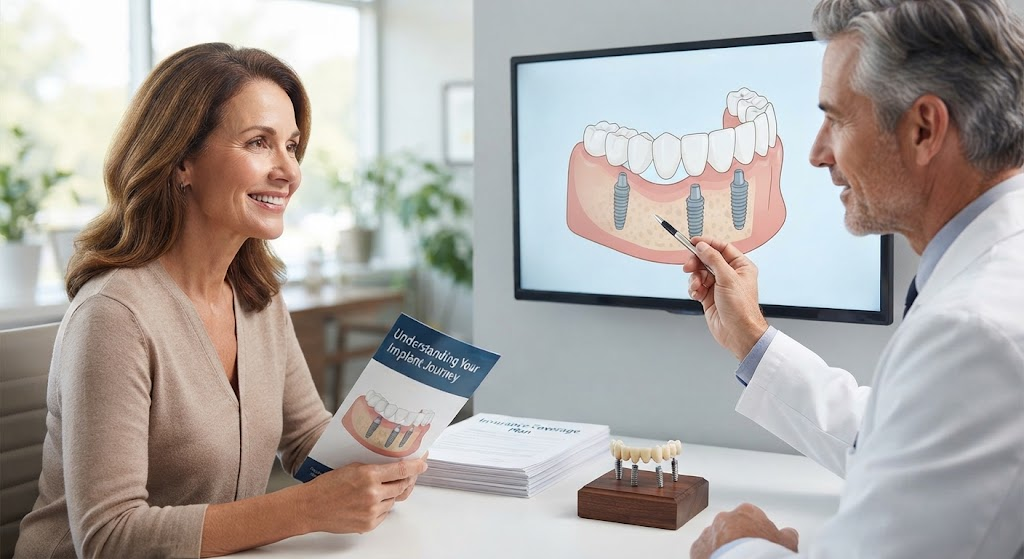
Getting a brand-new set of teeth using metal roots is a medical journey. It takes time, patience, and careful planning by your dentist. First, your doctor looks at your jaw and gums to see if they are healthy. Sometimes, old teeth must come out first. Next, small titanium posts are placed into your jaw bone. These act like the roots of real teeth. Over a few months, your bone grows around these posts to lock them in place. Finally, a custom set of fake teeth is screwed or snapped onto the posts. It sounds complex, but your dental team will help you through every single step.
Why Full Mouth Restorations Matter
Fixing your whole mouth is about much more than just looking nice in photos. When you have missing teeth, your jawbone slowly shrinks over time. This can change the shape of your face and make you look older than you are. Full dental implants stop this bone loss because they act like natural roots. They give your face strong support and let you chew crunchy apples or juicy steaks again. Slurring your words or dealing with loose dentures that slip out while talking becomes a thing of the past. It truly gives you a fresh start for your health and daily confidence.
The Real Numbers Behind the Pricing
Let us talk honestly about the money side of things. Full mouth restorations are a major investment because they require high-tech materials and expert surgery. On average, a full arch or full mouth procedure can range anywhere from twenty thousand dollars to over fifty thousand dollars for both arches. The price changes based on the materials used, your doctor’s skill level, and any extra treatments you might need. Because it is so expensive, finding out how much your dental plan will chip in is the most important part of your planning phase. Always ask for a written treatment plan before starting.
Navigating Insurance Policies and Rules
Dealing with insurance companies can feel like solving a tricky puzzle. Most standard dental plans view implants as elective or cosmetic, which means they might say no at first. However, many modern insurance plans are starting to change their rules. They might cover specific parts of the process, such as the extractions, the final crowns, or the initial checkups, even if they skip paying for the titanium posts. You must read your policy closely or call your provider directly. Ask them specifically what parts of a full arch restoration qualify for their benefits so you do not get any nasty surprises.
Comprehensive Cost and Coverage Breakdown
| Treatment Phase | Estimated Average Cost | Usual Insurance Coverage Status |
| Initial Exam & 3D Scans | $300 – $600 | Often partially covered (50% – 80%) |
| Tooth Extractions | $150 – $500 per tooth | Frequently covered (50% – 80%) |
| Bone Grafting (If needed) | $500 – $3,000 | Varies; sometimes seen as medically necessary |
| Implant Posts Surgery | $3,000 – $10,000+ | Frequently excluded or limited by annual caps |
| Final Full Arch Teeth | $3,000 – $15,000 | Sometimes covered under major restorative care |
Searching For Local Care Options
When you type full mouth dental implants cost with insurance near me into a search engine, you want local clinics that actually take your specific plan. Not every dentist has the advanced surgical training needed for full mouth replacements. Look for local periodontists or oral surgeons who offer free initial consultations. During your visit, ask their financial coordinator to run a verification check on your insurance policy. Good local clinics deal with insurance companies every single day and know the exact tricks to get your claims approved for maximum savings.
Hidden Expenses to Keep in Mind
When planning your budget, remember to look beyond the basic price quote. You might run into extra costs that pop up along the way. For example, if your jawbone is too thin, you will need a bone grafting procedure before the posts can go in. This adds extra healing time and more money to your total bill. Sedation costs during surgery, temporary plastic teeth to wear while your gums heal, and special cleaning tools can also add up. Keeping a small financial cushion for these minor surprises will keep your stress levels low during your treatment.
Smart Ways to Handle Out-of-Pocket Costs
If your insurance plan leaves you with a large leftover bill, do not panic just yet. Many dental offices offer in-house payment plans that let you spread out the payments over several months without high interest. You can also look into medical credit lines specifically designed for health and dental care. Another great option is using a flexible spending account (FSA) or health savings account (HSA) through your job. Putting pre-tax money aside for your dental work can save you a noticeable chunk of change on the overall bottom line.
Comparing Implants to Traditional Dentures
Old-fashioned removable dentures are cheaper upfront, but they come with hidden drawbacks. Dentures often require messy glues, can slip around when you laugh, and make it hard to taste hot food. More importantly, because they rest on top of the gums, they do not stop your jawbone from shrinking. Over the years, you have to keep paying for denture relines and replacements. While full mouth dental implants cost much more at the start, they last for decades or even a lifetime with good care. They end up saving you money and hassle in the long run.
Questions to Ask Your Insurance Provider
Before you commit to any surgery, pick up the phone and talk directly to your insurance agent. Ask them these direct questions to protect your wallet: Is there a waiting period for major surgical procedures? Does my plan have a yearly maximum limit on payouts? Are full arch restorations explicitly listed as an exclusion? Do you require pre-authorization from my doctor before the surgery happens? Getting clear, written answers to these questions will give you total peace of mind as you move forward with your new smile.
Taking charge of your oral health is one of the best investments you can ever make for your overall well-being. Getting a complete set of permanent teeth changes how you eat, speak, and smile at the world every single day. While navigating the bills and policies takes a bit of work, you do not have to figure it all out alone. Schedule a chat with a trusted local dental expert today to see what options fit your budget and start your journey toward a brighter, healthier smile.
Frequently Asked Questions
Does insurance ever pay for the entire procedure?
Most standard insurance plans will not cover the full bill. They usually cap their yearly payouts around one to two thousand dollars, meaning you will likely have out-of-pocket costs.
What is the best way to find a clinic close by?
Search for local certified oral surgeons or periodontists who specialize in full mouth restorations and call their offices to check if they accept your insurance network.
How long does the whole healing process take?
From the first tooth extraction to getting your final permanent teeth, the entire process can take anywhere from four to eight months depending on bone healing.
Are payment plans available for the remaining balance?
Yes, many modern dental clinics partner with medical financing companies to offer monthly payment options with little or no interest.
Will I have teeth to wear while my gums heal?
Your dentist will almost always provide temporary teeth so you never have to go out in public without a complete smile during the healing months.
What happens if my insurance denies the claim?
Your dentist’s office can often submit an appeal with extra medical notes showing that the procedure is necessary for your health and nutrition, not just for looks.