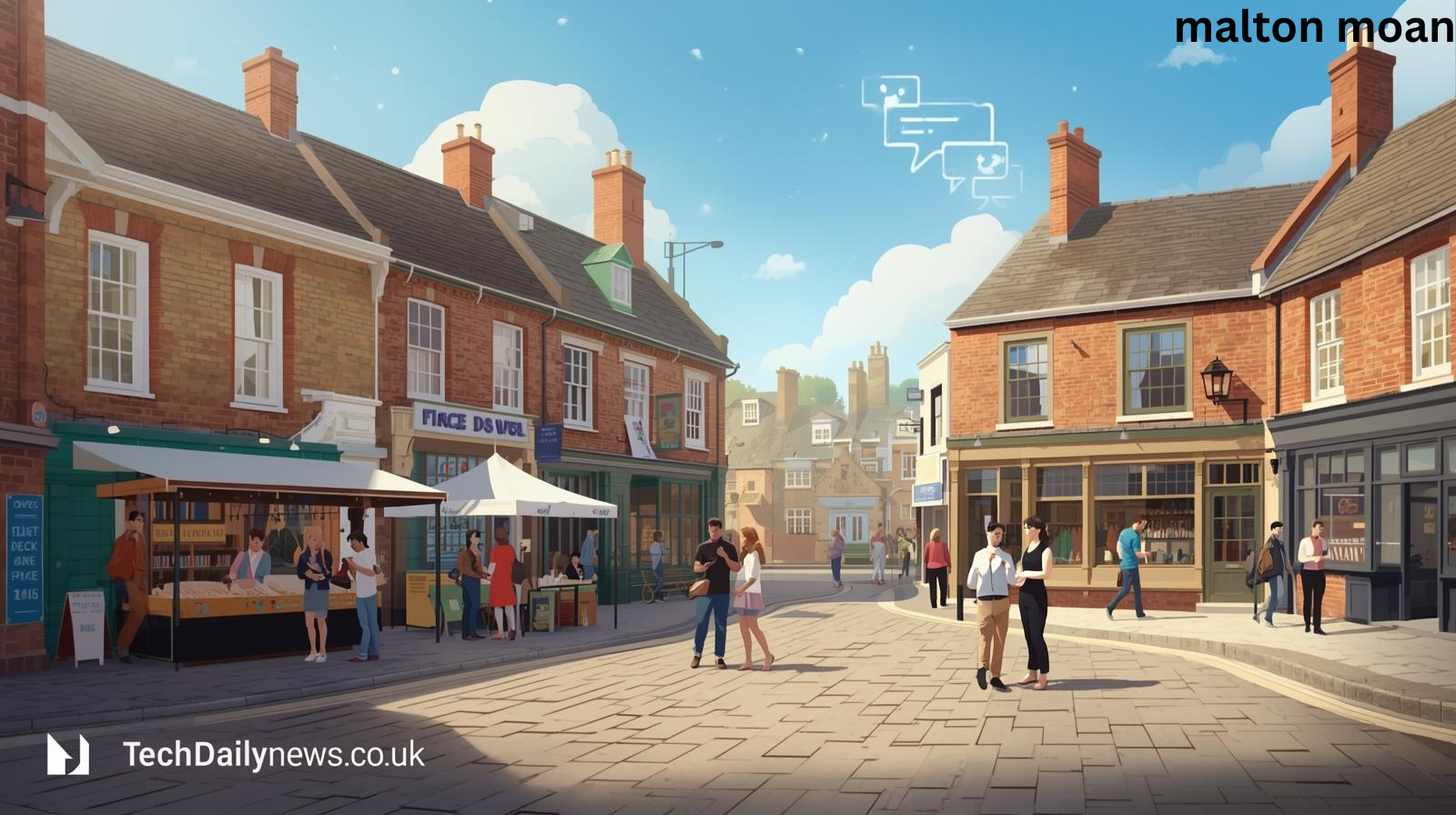
What Is Malton Moan and Why It Matters
Malton Moan is a well-known local Facebook community group based in the historic market town of Malton. At first glance, the name may sound humorous or negative, but the group has grown into much more than a space for complaints. It has become a central online hub where residents share local news, raise concerns, promote businesses, discuss council decisions, and celebrate community life. For many people in Malton and surrounding villages, Malton Moan is now part of their daily routine.
The term “moan” reflects its origins as a place where locals could vent frustrations about everyday issues such as potholes, parking fines, missed bin collections, or roadworks. Over time, however, the group evolved into a dynamic digital forum that reflects the true voice of the town. Instead of being purely negative, it now represents a mix of problem-solving, humour, support, and civic discussion. This transformation mirrors a wider trend across the UK, where local Facebook groups are increasingly shaping how communities communicate.
Malton itself is known for its strong local identity and vibrant town centre. Often described as Yorkshire’s food capital, the town hosts markets, food festivals, and cultural events that attract visitors throughout the year. In this context, Malton Moan functions as a digital extension of the town square, where residents exchange ideas and stay informed about what is happening around them. Understanding Malton Moan therefore means understanding modern community engagement in small-town Britain.
The Origins and Growth of the Malton Moan Facebook Group
Malton Moan began as a modest Facebook group created by local residents who wanted a simple space to discuss community concerns. Like many grassroots social media groups, it was not initially designed to become influential. However, because it filled a genuine need for open discussion, membership grew rapidly. Word of mouth, local curiosity, and the convenience of social media helped the group expand far beyond its original size.
As membership increased, so did the variety of topics discussed. What started as light-hearted complaints soon included serious conversations about local governance, school matters, planning applications, crime updates, and small business promotions. The group’s growth reflects the broader rise of hyperlocal social media communities across England, where Facebook groups serve as unofficial information channels that sometimes move faster than traditional local newspapers.
The success of Malton Moan can also be linked to accessibility. Because Facebook is widely used across different age groups, participation is not limited to younger residents. Older members of the community also contribute, which creates a balanced mix of perspectives. This diversity of voices strengthens the authenticity of discussions and ensures that the group reflects the real experiences of Malton’s population.
The Role of Social Media in Small-Town Community Engagement
In recent years, social media platforms have reshaped how communities interact. In towns like Malton, traditional communication methods such as notice boards, printed newsletters, or word-of-mouth conversations are now complemented by digital discussions. Malton Moan demonstrates how online platforms can support community engagement by allowing residents to communicate instantly about local matters.
One of the key strengths of such groups is speed. If there is an unexpected road closure, a missing pet, or a safety concern, information can spread within minutes. This rapid communication often helps residents stay informed and take appropriate action. It also encourages collective awareness, as neighbours support each other by sharing updates and relevant information.
Another important aspect is transparency. When council decisions or infrastructure issues are discussed publicly, it encourages accountability. Residents feel empowered to ask questions, share evidence, and express opinions. While official responses still require formal channels, public discussion often raises awareness and motivates action. In this way, Malton Moan acts as an informal but powerful civic forum.
Common Topics Discussed on Malton Moan
Although the word “moan” suggests negativity, the topics covered in the group are wide-ranging and often constructive. Infrastructure concerns such as potholes, street lighting, parking restrictions, and roadworks frequently appear in discussions. These are everyday issues that directly affect residents, and sharing experiences often helps highlight recurring problems.
Public services are another recurring theme. Members discuss rubbish collection schedules, local GP access, school updates, and council announcements. In many cases, users provide helpful clarifications or direct others toward official information sources. This collaborative exchange reduces confusion and improves awareness of local procedures.
Beyond complaints and practical matters, Malton Moan also features positive content. Residents share photos of local events, promote charity fundraisers, and recommend trusted tradespeople. Local cafés, independent shops, and market stalls often receive public praise, which strengthens the town’s economic ecosystem. This balance between criticism and celebration makes the group more than just a complaint board; it is a living reflection of community life.
Impact on Local Businesses and the Town Economy
Malton has developed a reputation as a destination for food lovers, with artisan producers, independent retailers, and seasonal festivals contributing to its popularity. Malton Moan plays a subtle but significant role in supporting this economic identity. When residents recommend a bakery, butcher, or café, that endorsement often leads to increased footfall and stronger customer trust.
Small businesses benefit particularly from organic word-of-mouth marketing within the group. Unlike paid advertising, recommendations in Malton Moan are perceived as authentic and community-driven. Positive reviews build credibility, while constructive criticism can encourage service improvements. This dynamic fosters a competitive yet supportive business environment.
Local events such as food festivals and town celebrations are also widely shared within the group. Increased awareness leads to higher attendance, which benefits traders and reinforces Malton’s cultural profile. In this sense, Malton Moan contributes indirectly to the sustainability of the local economy by strengthening communication between businesses and customers.
Challenges of Moderation and Responsible Discussion
Managing a large online community is not without difficulties. As Malton Moan has grown, moderation has become increasingly important. Administrators must ensure that discussions remain respectful, factual, and within Facebook’s community standards. Without careful oversight, online forums can sometimes become confrontational or spread misinformation.
Negativity is another potential challenge. Because the group’s identity includes “moaning,” some discussions may lean toward criticism. While constructive complaints are valuable, excessive negativity can create an unfair impression of the town. Balanced moderation helps maintain a healthier tone and encourages members to share positive stories alongside concerns.
Misinformation is a broader issue affecting many social media platforms. Unverified claims can circulate quickly if users do not check sources before posting. Responsible participation is therefore essential. Members who provide links to official statements or reliable updates help maintain trust within the community. Strong moderation policies and community guidelines play a vital role in preserving credibility.
The Relationship Between Malton Moan and Local Authorities
While Malton Moan is an independent Facebook group, its discussions often intersect with official local governance. Topics such as planning applications, public consultations, and policing updates frequently generate strong engagement. In some cases, issues raised in the group attract wider attention and encourage formal responses from relevant authorities.
This indirect relationship can benefit both residents and officials. Authorities gain insight into community sentiment, while residents feel that their concerns are visible. Although social media posts do not replace official reporting channels, they often highlight patterns that might otherwise go unnoticed.
The visibility of community concerns also promotes civic awareness. Residents become more informed about how local government operates, which can increase participation in consultations or elections. In this way, Malton Moan supports democratic engagement at a grassroots level, reinforcing the idea that local voices matter.
The Cultural Significance of Malton Moan in Modern Britain
Malton Moan reflects a broader cultural shift in how communities communicate. Across the UK, hyperlocal Facebook groups have become digital town squares where everyday life unfolds online. These platforms combine humour, frustration, neighbourly support, and practical advice in a way that traditional media rarely captures.
In Malton’s case, the group reinforces a shared sense of identity. Residents feel connected not only by geography but by shared experiences discussed online. Whether celebrating a successful local event or debating parking restrictions, members contribute to a collective narrative about life in their town.
The cultural importance of Malton Moan lies in its authenticity. It is shaped by real voices, real experiences, and real concerns. While imperfect, it demonstrates how social media can strengthen local ties rather than weaken them. By blending digital communication with community spirit, Malton Moan illustrates the evolving nature of small-town engagement in the twenty-first century.
The Future of Malton Moan and Community Communication
Looking ahead, Malton Moan is likely to remain an influential part of the town’s social fabric. As digital communication continues to evolve, local groups will play an even greater role in shaping public conversation. The challenge will be maintaining respectful dialogue while adapting to changes in social media algorithms and user behaviour.
Opportunities for growth include stronger collaboration with local businesses, clearer fact-checking practices, and more proactive sharing of positive community stories. By focusing not only on complaints but also on achievements and solutions, the group can continue to strengthen its reputation as a constructive platform.
Ultimately, Malton Moan represents more than a Facebook page. It is a living example of how online communities can mirror and influence offline life. In a rapidly changing digital landscape, its continued success will depend on balanced moderation, responsible participation, and the shared commitment of Malton’s residents to keep their community informed, engaged, and connected.
Read More:Who Is Clay Travis and Why the Topic of “Family Tragedy” Gains Attentio
Conclusion
Malton Moan has grown from a simple Facebook complaint group into one of the most influential local community platforms in Malton, North Yorkshire. What began as a space for residents to share frustrations about everyday issues has evolved into a powerful digital town square where people discuss local news, promote businesses, raise civic concerns, and celebrate community achievements. Its popularity reflects a wider shift in how small towns across the UK use social media to stay connected and informed.
More than just a place to “moan,” the group represents the voice of the town. It highlights real issues, encourages public discussion, and strengthens relationships between neighbours. While challenges such as moderation and misinformation require ongoing attention, the overall impact of Malton Moan remains positive. By blending humour, honesty, and local pride, it continues to shape modern community engagement and demonstrates how digital platforms can bring people together rather than divide them.